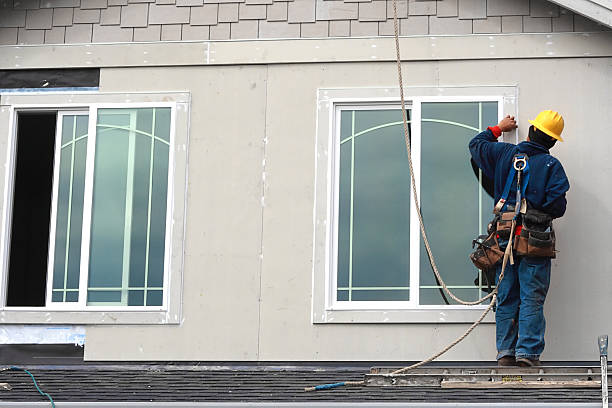

Installing new windows can completely transform the comfort, appearance, and efficiency of a home. Whether you are replacing old windows or fitting brand-new ones, understanding the right window installation tips can help you avoid costly errors and ensure a better final result.
Windows do far more than simply let in sunlight. They affect indoor temperature, ventilation, outside noise, security, and even monthly energy bills. A poor installation can lead to drafts, water leaks, higher utility costs, and long-term structural damage. On the other hand, a properly installed window can improve your home’s performance for years.
That is why preparation and technique matter so much. Even high-quality windows can fail if they are installed incorrectly. If you are planning a home improvement project or simply want to understand the process before hiring a contractor, this guide will walk you through the most important things to know.
In this article, you will discover practical and reliable window installation tips that can help you make informed decisions, improve installation quality, and protect your investment.
Why Proper Window Installation Matters
Before diving into the best window installation tips, it is important to understand why installation quality is so critical.
A window may look perfect from the outside, but if it is not level, sealed properly, or secured correctly, problems can appear very quickly.
Benefits of Proper Window Installation
A correctly installed window can provide:
- Better insulation
- Lower energy bills
- Improved indoor comfort
- Reduced outside noise
- Better moisture protection
- Increased home value
- Longer window lifespan
A bad installation, however, can lead to:
- Air leaks
- Water intrusion
- Mold growth
- Window sticking or poor operation
- Frame warping
- Damage to surrounding walls
This is why following the right installation process is just as important as choosing the right window.
Tip 1: Choose the Right Type of Window First
One of the most overlooked window installation tips is choosing the right window before the work even begins.
Not all windows are the same, and not every type is suitable for every room or climate.
Common Window Types
Some of the most popular options include:
- Single-hung windows
- Double-hung windows
- Casement windows
- Sliding windows
- Awning windows
- Bay windows
- Picture windows
Each style has different installation requirements and performance benefits.
Things to Consider Before Choosing
Think about:
- The size of the opening
- Ventilation needs
- Sunlight direction
- Energy efficiency
- Local climate
- Home design style
- Ease of cleaning and maintenance
A window that fits your home’s needs will always perform better after installation.
Tip 2: Measure Carefully and Accurately
One of the most important window installation tips is to measure the window opening correctly. A poor fit can create major installation problems later.
Even a small measurement error can lead to gaps, uneven placement, or costly modifications.
Best Measurement Practices
When measuring for a replacement or new installation:
- Measure the width at the top, middle, and bottom
- Measure the height on the left, center, and right
- Check the depth of the window opening
- Confirm whether the frame is square
- Measure twice before ordering
Always use the smallest measurement when selecting a window size unless otherwise specified by the manufacturer.
Accurate measurements help ensure:
- A better seal
- Easier installation
- Fewer adjustments
- Improved performance
Tip 3: Inspect the Opening Before Installation
Before placing a new window into the opening, inspect the surrounding structure carefully.
This is one of the most practical window installation tips because many problems start in the wall itself, not the window.
What to Check
Look for:
- Rotting wood
- Water damage
- Mold or mildew
- Cracks in the frame
- Loose or uneven surfaces
- Old sealant or debris
If the opening is damaged, it should be repaired before the new window is installed. Skipping this step can lead to leaks and poor long-term performance.
A clean, solid, and dry opening creates the best foundation for a secure installation.
Tip 4: Make Sure the Window Is Level, Plumb, and Square
This is one of the most essential window installation tips for both professionals and homeowners.
A window must be installed:
- Level from side to side
- Plumb from top to bottom
- Square within the opening
If it is even slightly off, you may notice:
- Difficulty opening or closing
- Uneven gaps
- Poor locking
- Air leakage
- Stress on the frame
How to Achieve Proper Alignment
Installers often use:
- A spirit level
- Shims
- Measuring diagonals
- Adjustment screws
This stage should never be rushed. A perfectly aligned window will operate more smoothly and last much longer.
Tip 5: Use Quality Flashing and Waterproofing Materials
When discussing the best window installation tips, waterproofing should always be near the top of the list.
A window opening is one of the most vulnerable areas of a house when it comes to moisture. If water gets behind the frame, it can cause hidden damage over time.
Important Waterproofing Steps
A proper installation should include:
- Flashing tape around the opening
- Weather-resistant barriers
- Correct sill protection
- Sealed joints and corners
Flashing directs water away from the window and protects the wall structure underneath.
Never assume that caulk alone is enough. Caulk helps seal, but flashing provides the deeper moisture protection that keeps your installation secure.
Tip 6: Do Not Overuse Expanding Foam
Insulation is important, but this is one of those window installation tips that can save you from accidental damage.
Many installers use low-expansion foam to fill gaps between the window frame and the rough opening. This helps improve insulation and reduce drafts.
However, using too much foam can:
- Warp the frame
- Prevent smooth operation
- Put pressure on the window
- Affect long-term performance
Best Practice
Use:
- Low-expansion foam designed for windows and doors
- Only enough to fill gaps without forcing the frame outward
This small detail makes a big difference in how well the window functions after installation.
Tip 7: Seal Properly Without Blocking Drainage
Another critical part of good installation is sealing the window correctly. This is one of the smartest window installation tips because sealing mistakes are very common.
A good seal helps keep out:
- Air
- Water
- Dust
- Insects
But it is also important not to block the window’s designed drainage system.
What to Remember
Some windows have built-in drainage paths or weep holes that allow moisture to escape.
If these become blocked by:
- Excess caulk
- Paint
- Debris
then water can get trapped and cause problems later.
The goal is to seal the right areas while still allowing the window to drain as intended.
Tip 8: Follow Manufacturer Instructions Closely
One of the most frequently ignored window installation tips is simply following the manufacturer’s instructions.
Every window brand and model can have slightly different requirements for:
- Fasteners
- Sealants
- Frame spacing
- Installation methods
- Warranty compliance
Ignoring the recommended method can result in:
- Poor performance
- Invalid warranty
- Structural issues
- Premature wear
Even experienced installers should not assume that every window fits the same way.
Always review the product instructions before installation begins.
Tip 9: Pay Attention to Energy Efficiency
Modern windows are often chosen not just for appearance, but also for performance. That is why energy efficiency should be part of your installation planning.
Among the most valuable window installation tips is making sure your installation supports the energy-saving design of the window.
Features That Improve Efficiency
Look for windows with:
- Double or triple glazing
- Low-E glass
- Insulated frames
- Gas-filled panes
- Tight weather seals
But remember: even the most efficient window will lose performance if it is installed poorly.
A badly sealed energy-efficient window can still let in drafts and moisture, reducing its benefits.
Tip 10: Consider the Best Time of Year for Installation
Timing can affect both installation quality and convenience.
This is one of the more practical window installation tips, especially if you are replacing multiple windows at once.
Ideal Conditions for Window Installation
Moderate weather is often best because it allows for:
- Better sealant performance
- Easier working conditions
- Less indoor temperature loss
- Fewer weather delays
While windows can be installed year-round, extremely hot, cold, or rainy conditions can make the process more difficult.
If possible, schedule installation when weather conditions are stable.
Tip 11: Hire an Experienced Installer If Needed
Not every window installation should be a DIY project. In fact, one of the smartest window installation tips is knowing when professional help is worth it.
Complex installations often involve:
- Structural adjustments
- Custom sizing
- Exterior trim work
- Waterproofing systems
- Permit requirements
Signs You Should Hire a Professional
Consider a pro if:
- The opening is damaged
- The window is unusually large
- The wall structure needs repair
- You are replacing several windows
- You want warranty protection
A skilled installer can often save you money in the long run by preventing errors and improving performance.
Tip 12: Inspect the Finished Installation Carefully
Once the window is installed, do not assume the job is complete without a proper inspection.
This is one of the final but essential window installation tips.
Post-Installation Checklist
After installation, check:
- Does the window open and close smoothly?
- Does it lock properly?
- Are the seals neat and complete?
- Are there visible gaps?
- Is the trim finished cleanly?
- Is there any draft around the frame?
Also look at the window from both inside and outside. A quality installation should look clean, straight, and secure from every angle.
Common Window Installation Mistakes to Avoid
Even with the best intentions, mistakes happen. Here are some of the most common issues people run into.
1. Poor Measurements
Incorrect sizing can delay the project and affect performance.
2. Skipping Waterproofing
This can lead to hidden moisture damage.
3. Installing Out of Square
A misaligned window often causes operation problems.
4. Over-Sealing Drainage Paths
This can trap water inside the frame.
5. Using the Wrong Materials
Not all foams, caulks, or fasteners are suitable for windows.
6. Ignoring Structural Damage
A damaged opening must be repaired before the window goes in.
Avoiding these mistakes is one of the best ways to ensure your new windows perform as expected.
How New Windows Can Improve Your Home
When installed correctly, new windows offer more than just a visual upgrade.
Long-Term Benefits of Good Window Installation
Properly installed windows can help:
- Reduce heating and cooling costs
- Improve indoor comfort
- Add resale value
- Increase natural light
- Enhance curb appeal
- Improve security
- Lower outside noise
This is why investing time into proper planning and installation is always worthwhile.
Final Thoughts
Understanding the best window installation tips can make a major difference in the outcome of your project. Whether you are installing one window or replacing every window in your home, the quality of the installation matters just as much as the quality of the product itself.
A successful window installation starts with the right planning:
- Choose the right window
- Measure accurately
- Inspect the opening
- Install level and square
- Seal and waterproof correctly
- Check the final fit carefully
Do not rush the process. A properly installed window can provide comfort, energy savings, and long-lasting performance for many years.
If you are taking on a window project soon, use these tips as your foundation. A little extra care during installation can prevent a lot of future problems and help you get the best value from your investment.