
Introduction
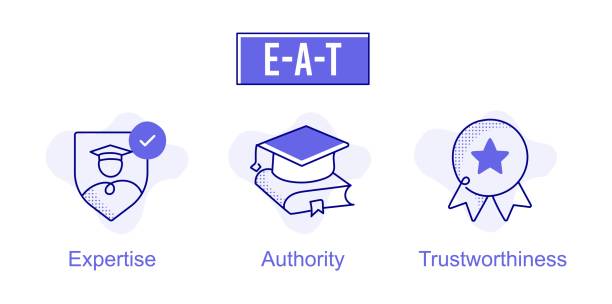
Web search engines have also changed dramatically in the past few years. Nowadays, it is not just enough to integrate the keywords and produce the content. Google wants to be informed about who is backing the creation and why it should be trusted. This plays a role in something known as Experience, Expertise, Authoritativeness, and Trustworthiness.
If you want to build a website, run a business, or learn SEO in Digital Trainee’s digital marketing course in Pune, understanding E-E-A-T can make a real difference. It helps your website gain credibility not just with Google but also with AI-powered search systems.
E-E-A-T is in simple terms and shows how you can use it to improve both web and AI visibility.
What Is E-E-A-T and Why It Matters
E-E-A-T is Google’s way of checking whether content deserves attention. It helps Google decide if a page is helpful, reliable, and written by someone who actually knows the topic.
Instead of asking “How many keywords are used?”, Google looks at:
- Is this content written from real experience?
- Does the author understand the subject well?
- Is the website respected in its industry?
- Can users trust the information?
If the answer is yes, your chances of ranking improve.
Understanding Google’s E-E-A-T Framework
Google’s E-E-A-T framework comes from its Search Quality Rater Guidelines. Human reviewers use it to assess content quality, especially for sensitive topics.
The goal is simple
- Protect users from false or harmful information
- Promote content written by real experts
- Highlight trusted brands and creators
As AI becomes part of search results, this framework helps Google decide which sources AI should trust.
The Four Pillars of E-E-A-T

Experience shows Real life Involvement
Experience in EEAT is about the extent to which content creators demonstrate necessary first-hand, real-world involvement with their topic.
Example like:
- Sharing authentic stories and case studies, we learned lessons from mistakes or successes.
- Use original images, videos, or audio that show direct engagement.
- Share your personal experience with the subject on an “about” page and even link to your social media profiles if they provide additional evidence.
- Reviewing a tool you personally used
- Sharing results from a real marketing campaign
- Explaining mistakes you learned from
How to show experience naturally:
- Share personal insight.
- Use real examples instead of generic advice
- Add photos, screenshots, or case studies
Real experiences are hard to fake—and Google knows it.
Expertise is Knowing the Topic Well
Expertise refers to the creator’s level of skill and deep knowledge in their specific field.Expertise is about having strong knowledge and skills in your subject.
You don’t always need a degree, but you do need:
- Detailed author credentials and biography pages.
- Cite experts in your content when appropriate.
- Clear explanations
- Accurate information
- Depth beyond surface-level tips
Adding author bio info, certification and professional background, which helps Google and users understand why they should listen to you.
Authoritativeness is Being Recognized by Others
Authoritativeness means being recognised by others as a trusted go-to source in your field or industry. Authority is always relative—Tesla is an authority on electric vehicles but not on SEO best practices. Authoritativeness grows when others trust and mention you.
This can include:
- Get more positive online reviews.
- Share original insights, a unique perspective, or useful advice that highlights your expertise.
- Publishing original research and data study.
- Appearing for webinars, podcasts, and interviews.
- Highlighting your company’s achievement through Press.
- Backlinks from trusted websites
- Brand mentions online
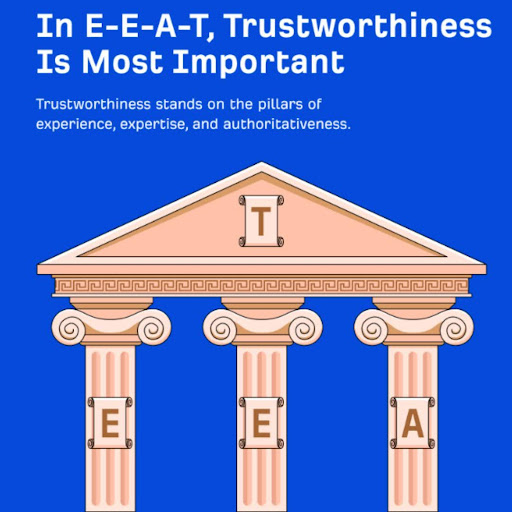
Trustworthiness is The Most Foundational Pillar
‘Trust’ refers to the accuracy, honesty, safety, and reliability of a website and its content. Trust is the foundation of everything.
A trustworthy website usually has:
- Secure HTTPS connection
- Clear “About Us” pages, accessible contact information, and transparent privacy policies.
- Fact-checked content, proper citations, and regular updates as needed for the topic.
- Clear disclosure of sponsored content and genuine customer reviews.
- Privacy policy and terms pages
- Honest, transparent content
If users will not trust your site, rankings will not last no matter how good your content is.
Is EEAT a Ranking Factor?
Many people ask whether EEAT is a ranking factor or not.
E-E-A-T isn’t a direct ranking factor, but it indirectly influences rankings in a significant way. Google uses quality rater feedback to identify tangible signals that align with EEAT, then adjusts ranking algorithms accordingly. This means E-E-A-T influences rankings through various measurable proxies rather than as a direct score.
Google uses it to evaluate:
- Content quality
- Link trust
- Brand credibility
- User satisfaction
E-E-A-T and Your Money or Your Life (YMYL)
YMYL (Your Money or Your Life) describes any web page or topic that could significantly affect a person’s health, financial stability, safety, happiness, or overall well-being. Even small errors can reduce trust. Your Money or Your Life (YMYL) content affects important areas of a person’s life, such as:
- Health
- Finance
- Legal matters
- Career decisions
Examples include:
- Medical advice blogs
- Investment guides
- Online course with certifications
Why E-E-A-T Matters for AI Search Results
“Your Money or Your Life” topics receive heightened scrutiny because inaccurate information could significantly impact health, financial stability, safety, or happiness. AI-powered search tools don’t pull content randomly. They rely on trusted and authoritative sources.
Strong E-E-A-T increases your chances of:
- Being quoted in AI summaries
- Appearing in featured snippets
- Gaining visibility in zero-click searches
Practically Build Trust and Visibility
Improve Content Quality
- Write for people, not algorithms
- Add real examples and insights
- Keep content updated
Strengthen Website Signals
- Make your site mobile-friendly
- Improve loading speed
- Use secure hosting
Build Authority Over Time
- Earn links from relevant websites
- Publish expert collaborations
- Share genuine customer reviews
Common Mistakes with E-E-A-T
- Publishing content without author names
- Using fake credentials
- Copying content without adding value
- Ignore transparency.
Final Thoughts
Just like in real life, your website is judged by what you share on your website. A good test for improving EEAT is to ask, “Why should someone trust this content, the author, and the site?” If you can’t answer that easily, your site may come across as less trustworthy.
EEAT is more of an ongoing commitment to being the most trustworthy, knowledgeable source in your field rather than a destination you reach once. There are no shortcuts, no quick fixes, and no “hacks” that will suddenly boost your E-E-A-T overnight.
E-E-A-T is not a trend—it’s the direction SEO is heading. By focusing on real experience, genuine expertise, strong authority, and user trust, you create content that performs well today and remains valuable in the future. Whether you are growing a brand or learning through Digital Trainee’s digital marketing course in Thane, building trust should always be your top priority.
Frequently Asked Questions
1. What does EEAT mean in SEO?
A. It refers to Experience with Expertise and Authoritativeness with Trustworthiness is used to evaluate content quality.
2. Is EEAT important for small businesses?
A. Yes. small websites will rank well with sharing honest and experience-based content.
3. Does EEAT help with AI search visibility?
A. Yes. AI tools prioritise trusted and authoritative sources.

Author: Prashant Kadukar, Founder & CEO, Digital Trainee
Bio: The founder and director of Digital Trainee, Mr. Prashant Kadukar has been an inspiration owing to his laurels all along. An MIT alumni, he happens to be a Google Ads & Bing Certified Professional. His decade long mastery in strategizing, designing, and implementing Digital Marketing plans and campaigns is well known. Mr. Prashant’s portfolio consists of serving 100+ Domestic and International clients, and consulting numerous startups on aspects such as strategy and growth. The workshops conducted by him have been insightful to an extent where the majority of the attendees have chosen a career in this field. Such has been the impact!